

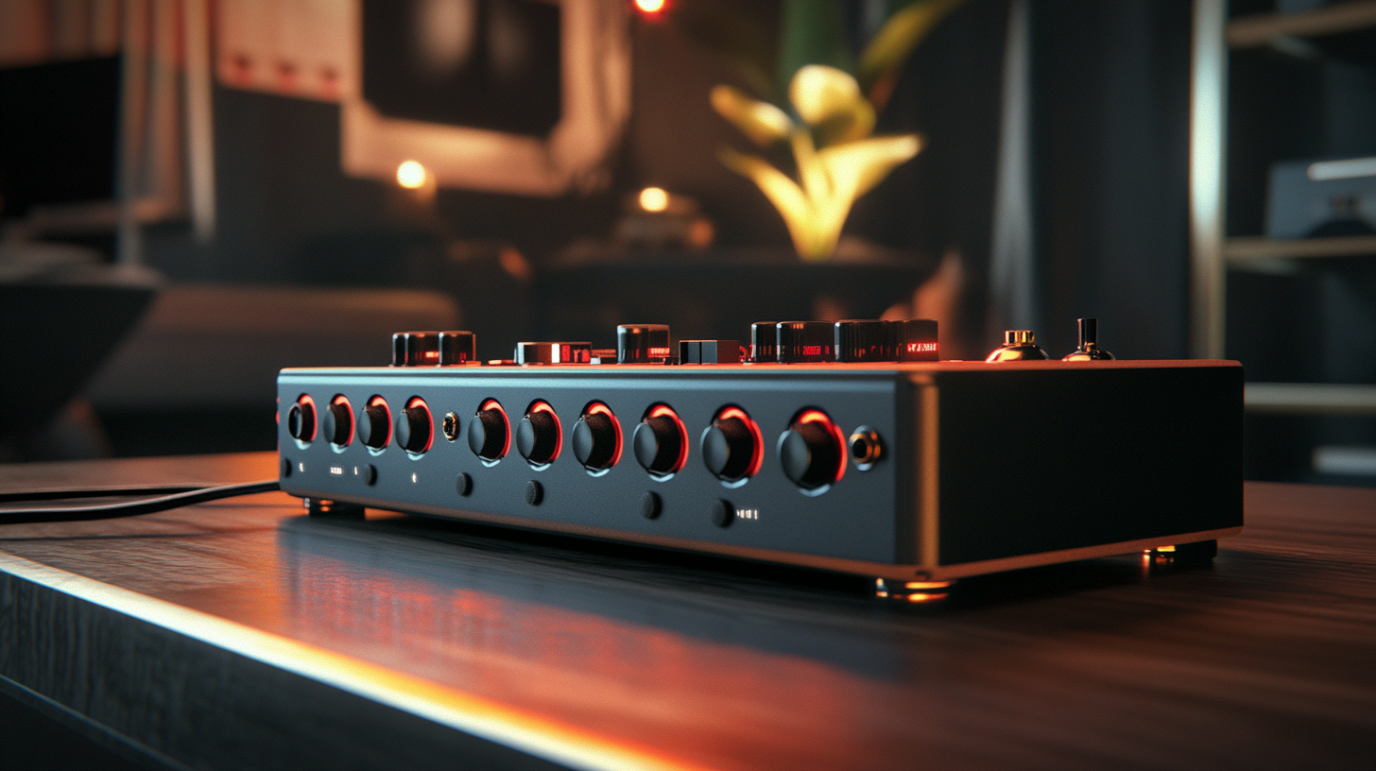

Crate Gx600 Guitar Amplifier Head
- This Crate gx600 is fully functional and in excellent condition. This amp is the same model amp that was used on the early Cannibal Corpse records.
$115.00
Discovering the Hidden Gem of Guitar Amplification—My Journey with the Legendary GX-600
As I sit in my studio, surrounded by the familiar hum of amplifiers and the scent of old wood and electronics, I can’t help but reflect on my decades-long relationship with the Crate GX-600. This powerhouse has accompanied me through sweaty basement shows, professional recordings, and stadium performances alike. Today, I’m diving deep into everything you need to know about this legendary amp—from its technical specs to real-world performance—to help you decide if this is the right addition to your gear collection.
When I first encountered the Crate GX-600 in the early ’90s, I was immediately struck by its imposing presence. This isn’t just an amplifier; it’s a statement piece that commands respect on any stage. Now, as these units become increasingly sought after in the vintage market, understanding their value, capabilities, and quirks has never been more important.
The Crate GX-600: A Technical Overview
The Crate GX-600 stands as one of the more powerful offerings from the Crate amplifier lineup, boasting an impressive 600 watts of solid-state power. Released in the late 1980s and produced through the mid-1990s, this amp head was designed to deliver massive volume and clarity for guitarists who needed to fill large venues without sacrificing tone.
As a solid-state amplifier, the GX-600 offers reliability and consistency that tube amps sometimes struggle to maintain. I’ve found this particularly valuable during extended tours where maintenance opportunities are limited. The solid-state design also contributes to its relatively manageable weight compared to tube amplifiers of similar power ratings.
The first time I powered up my GX-600, I was blown away by the headroom available. Standing at 600 watts, this amplifier provides enough power to cut through any mix, even in large venues with full bands. I remember playing an outdoor festival in 1995 where my GX-600 remained crystal clear while other guitarists struggled to be heard.
Channel Configuration and Tonal Flexibility
One of the GX-600’s standout features is its dual-channel design, providing separate Clean and Overdrive channels that can be switched between using the included footswitch. This design choice reflects an era when versatility was becoming increasingly important for working musicians.
The Clean channel delivers exactly what you’d expect—pristine, transparent tones with remarkable headroom. I’ve found it particularly responsive to pedal effects, serving as an excellent platform for building complex tones. The 3-band EQ (Bass, Middle, Treble) provides substantial control over your sound’s foundation.
Switching to the Overdrive channel reveals the GX-600’s aggressive side. The distortion is thick and meaty, with a distinct character that differs from both tube amplifiers and modern modeling units. While some players initially dismiss the distortion as dated, I’ve discovered that with proper EQ adjustments, it can deliver everything from subtle blues breakup to searing hard rock tones.
The EQ section deserves special attention. Unlike some amplifiers with limited tonal shaping options, the GX-600 features a comprehensive set of controls:
- Bass: Controls low-frequency response
- Middle: Adjusts the crucial midrange frequencies
- Treble: Fine-tunes the high-end presence
- Presence: Adds additional high-frequency control
- Contour: A powerful mid-scoop control that dramatically shapes the amp’s voice
I’ve spent countless hours experimenting with these controls, finding that subtle adjustments can transform the amp from vintage warmth to modern aggression. The Contour control, in particular, has been invaluable for quickly adapting to different musical contexts.
Built-In Effects: A Studio in a Box
When the GX-600 was released, built-in effects were still somewhat novel in guitar amplifiers. Crate packed this unit with a surprisingly versatile effects section that includes:
- Reverb: A lush, spring-style reverb that adds dimension without washing out your tone
- Chorus: A subtle modulation effect that thickens your sound
- Delay: An analog-style echo with adjustable time and feedback
These effects can be activated individually or combined for complex textures. While they may not match the depth and flexibility of dedicated pedals, they provide impressive versatility in a single unit.
I remember recording a session in the late ’90s where the studio’s reverb unit unexpectedly failed. Relying solely on the GX-600’s onboard reverb, we completed the session without compromise—a testament to the quality of these built-in effects.
Connectivity and Expandability
The GX-600’s rear panel reveals its versatility as both a live and studio tool. Key connections include:
- Effects Loop: Allows integration of external effects between the preamp and power amp stages
- Line Out: Provides a direct signal for recording or connecting to a mixing board
- Speaker Outputs: Multiple jacks for connecting various cabinet configurations
- Footswitch Input: For the included channel/effects switching controller
The effects loop has been particularly valuable in my setup, allowing me to place time-based effects like delay and reverb after the preamp’s distortion for a cleaner, more professional sound. The multiple speaker outputs have also provided flexibility when performing in different venues with varying backline requirements.
Cabinet Compatibility: Unleashing the Beast
With 600 watts of power, the GX-600 demands appropriate speakers to translate its potential into actual sound pressure. While Crate offered matching cabinets (typically 4×12 configurations), I’ve experimented with numerous options over the years.
For maximum volume and low-end response, pairing the GX-600 with two 4×12 cabinets creates a formidable wall of sound that can fill even the largest venues. However, I’ve also found that a single well-designed 4×12 or 2×12 cabinet can capture the amp’s character while remaining more manageable for transportation.
Speaker selection dramatically impacts the final tone. Over the years, I’ve tried the GX-600 with:
- Celestion Vintage 30s: Adding warmth and mid-range focus
- Eminence Texas Heats: Providing a balanced, slightly scooped sound
- Jensen Jet Falcon: Delivering crisp highs and tight bass response
Each combination reveals different aspects of the amplifier’s personality. My personal favorite has been a combination of Vintage 30s and Greenbacks in a 4×12 cabinet, which balances punch and warmth while taming some of the solid-state harshness that can emerge at extreme settings.
Genre Versatility: From Blues to Metal
The Crate GX-600’s tonal flexibility makes it suitable for a surprisingly wide range of musical styles. Through my experiences with this amp across different bands and projects, I’ve found it excels in:
Hard Rock and Heavy Metal: The amp’s high headroom and aggressive overdrive channel make it a natural fit for heavy genres. The Contour control’s mid-scoop capability delivers that classic ’90s metal sound when pushed. I’ve used it for everything from Iron Maiden-inspired gallops to down-tuned modern metal, always with satisfying results.
Blues and Classic Rock: By rolling back the gain and adjusting the EQ for a midrange focus, the GX-600 can deliver warm, expressive blues tones that respond well to playing dynamics. The clean channel, when set to break up slightly, provides a beautiful platform for blues soloists.
Alternative and Indie Rock: The unique character of the GX-600’s distortion has a distinctive quality that cuts through a mix differently than more common amplifiers. This has made it a secret weapon for alternative sounds, providing tones that stand out in a crowded sonic landscape.
Country and Americana: The pristine clean channel, especially when paired with a touch of the built-in reverb, delivers twangy clarity that works beautifully for country picking and Americana styles.
I recall switching between a honky-tonk country set and a heavy rock performance on the same night, using only the GX-600 with different settings. The versatility impressed even the most gear-obsessed musicians in the audience.
Practical Considerations: Size, Weight, and Transportability
Before you commit to a GX-600, it’s important to understand the physical reality of owning this amplifier. The head unit measures approximately 24″ wide, 12″ deep, and 10″ high, making it a substantial presence in any setup. Weighing around 35 pounds, it’s certainly not the lightest amplifier option, though it compares favorably to tube amplifiers of similar power.
Transportation requires consideration. I’ve found that a dedicated wheeled case makes a significant difference in the ease of moving this unit between venues. The amp’s size and weight become particularly relevant when paired with substantial speaker cabinets—a full stack configuration can be challenging to transport without assistance or proper equipment.
Despite these considerations, I’ve found the GX-600’s durability makes it an excellent road companion. After three decades of use, my unit shows only cosmetic wear while continuing to perform reliably—a testament to the solid construction and component quality.
Common Issues and Maintenance
No amplifier is without its quirks, and the GX-600 has several known issues that potential buyers should be aware of:
Power Supply Problems: Some units develop power supply issues after extended use, resulting in inconsistent performance or complete failure. This typically manifests as intermittent cutting out or failure to power on. Fortunately, competent technicians can usually repair these issues with relative ease.
Input Jack Wear: The main input jack tends to develop connectivity problems over time, causing intermittent signal loss. I’ve had mine replaced twice over the decades—a simple maintenance task for any amp technician.
Footswitch Reliability: The original footswitches often develop connection issues after years of stage abuse. Third-party replacements are available, though finding exact matches can be challenging.
Fan Noise: The cooling fan in some units becomes noisy with age. While essential for preventing overheating, a loud fan can be distracting during quiet passages or recording sessions. Replacement with a modern, quieter fan is a common modification.
I’ve learned to perform basic maintenance checks before important performances, ensuring all connections are secure and controls are functioning properly. This preventative approach has saved me from mid-show disasters on multiple occasions.
The Vintage Market: Finding and Evaluating a GX-600
Since Crate discontinued the GX-600 years ago, finding one today requires navigating the used marketplace. Based on my experience buying and selling vintage gear, here are key considerations when searching for a GX-600:
Condition Assessment: Physical appearance often indicates how the amplifier was treated. Look for clean control panels, intact tolex covering, and minimal rust on metal components. I’ve found that amps with cosmetic damage often have internal issues as well.
Functional Testing: Before purchasing, test every function, control, and input/output. Pay special attention to:
- Both channels functioning properly
- All effects working consistently
- No unusual noise when manipulating controls
- Stable operation at various volume levels
- Proper response from the EQ controls
Price Considerations: As of my writing this guide, GX-600 units typically sell between $300-600 depending on condition, included accessories, and seller knowledge. Particularly clean examples with original footswitches and documentation can command premium prices from collectors.
Where to Look: Beyond the obvious platforms like Reverb and eBay, I’ve had success finding GX-600s through:
- Local music stores with used gear sections
- Musicians’ forums with marketplace sections
- Estate sales in areas with active music scenes
- Pawn shops in music-centric cities
The best value often comes from sellers who don’t specialize in musical equipment and may not recognize the growing collector interest in these vintage solid-state amplifiers.
Comparing the GX-600 to Alternatives
Understanding how the GX-600 stacks up against alternatives helps place its value in context. Here’s my assessment after using numerous comparable amplifiers over the years:
Versus Modern Solid-State Heads: Contemporary solid-state amplifiers often feature more refined distortion characteristics and expanded connectivity options. However, they frequently lack the raw power and distinctive character that makes the GX-600 special. The GX-600’s simplicity is part of its charm—what you lose in modern conveniences, you gain in reliability and focus.
Versus Tube Amplifiers: The eternal solid-state versus tube debate remains relevant when considering the GX-600. While tube amplifiers like the Marshall JCM series or Mesa/Boogie Dual Rectifiers offer organic compression and harmonic richness, they can’t match the GX-600’s reliability, power-to-weight ratio, and maintenance simplicity. I’ve owned both, and each serves different purposes in my arsenal.
Versus Modeling Amplifiers: Modern modeling amps provide unprecedented versatility but often sacrifice the immediacy and distinctive voice of dedicated amplifiers like the GX-600. I’ve found that while modeling units excel at approximating many sounds, they rarely capture the unique character that makes vintage solid-state amps like the GX-600 increasingly collectible.
In my experience, the Crate GX-600 occupies a specific niche—powerful, reliable, distinctive, and increasingly rare. Its value proposition centers on its unique voice rather than versatility or modern conveniences.
Real-World Applications: Where the GX-600 Excels
Through my journey with the GX-600, I’ve discovered the scenarios where it truly shines:
Large Venue Performance: The raw power and projection make it ideal for larger venues where lesser amplifiers struggle to fill the space. I’ve used mine in venues holding 2,000+ people without reaching its limits.
Rehearsal Spaces: The consistent performance and durability make the GX-600 an excellent rehearsal workhorse, standing up to the rigors of frequent use in varying environments.
Recording Unusual Textures: While perhaps not the first choice for traditional guitar tones, the GX-600’s distinctive character can provide unique textures in recording contexts. I’ve found it particularly effective for layered rhythm parts that need to occupy a specific frequency range.
Backup Reliability: When touring with tube amplifiers as my primary sound, I’ve often brought the GX-600 as a backup, knowing it will perform consistently regardless of conditions. This reliability is invaluable in professional settings.
One memorable instance occurred during a Midwest tour when my primary tube head failed two songs into our set. Switching to the GX-600 mid-performance, I not only salvaged the show but discovered tonal possibilities that eventually influenced our subsequent recordings.
Modifications and Upgrades: Enhancing the GX-600
For those willing to explore modifications, the GX-600 offers several opportunities for meaningful improvements:
Speaker Emulated Output: Adding a cabinet simulation circuit to the line out dramatically improves direct recording quality. This relatively simple modification has transformed my GX-600 into a more versatile recording tool.
Improved Fan Installation: Replacing the stock cooling fan with a modern, quieter alternative significantly reduces background noise during quiet passages without compromising cooling efficiency.
Footswitch Upgrade: Several companies produce programmable footswitches compatible with the GX-600, offering expanded control options beyond the original unit’s capabilities.
Preamp Tube Integration: For the technically adventurous, some technicians have successfully integrated tube preamp stages into the GX-600’s signal path, creating a hybrid amplifier that combines solid-state power with tube warmth.
I’ve personally implemented the speaker simulation and fan upgrades, both of which have enhanced the amplifier’s utility without compromising its essential character. These modifications strike a balance between preservation and improvement that respects the amp’s heritage while acknowledging modern requirements.
The Collector’s Perspective: Investment Potential
As vintage guitar gear continues to appreciate, solid-state amplifiers from the 1980s and 1990s have begun attracting collector interest. While the GX-600 hasn’t yet reached the investment status of classic tube amplifiers, several factors suggest potential appreciation:
Limited Production: Manufactured for a relatively short period, surviving examples in good condition become increasingly rare each year.
Historical Significance: As a representative of the high-power solid-state era, the GX-600 occupies a distinct place in amplifier evolution.
Increasing Recognition: Growing appreciation for the unique characteristics of vintage solid-state amplifiers has begun driving interest among collectors and players alike.
I’ve observed a steady price increase over the past decade, with clean examples commanding approximately 30% more than they did ten years ago. While not a primary investment vehicle, the GX-600 demonstrates that utility and collectibility need not be mutually exclusive.
My Personal Experience: Three Decades with the GX-600
After thirty years with the same GX-600, I’ve developed a relationship with this amplifier that transcends its technical specifications. It has been present for countless musical milestones—from my first major venue performance to recording sessions that defined my sound.
The reliability factor cannot be overstated. Through temperature extremes, power fluctuations, and the inevitable abuse of touring, my GX-600 has remained steadfast. This dependability creates a confidence that influences performance—knowing your equipment won’t fail allows for greater artistic expression.
Perhaps most significantly, the GX-600’s distinctive voice has become intertwined with my musical identity. Its particular harmonic structure and response characteristics have subtly guided my playing style and compositional choices over decades of use.
What began as a practical choice based on power requirements has evolved into a musical partnership that continues to yield creative dividends decades after our introduction. This emotional connection—beyond specifications and features—represents the ultimate value of instruments that accompany us through our musical journeys.
Conclusion: Is the Crate GX-600 Right for You?
After exploring every aspect of the Crate GX-600, the question remains: should you add one to your collection? Based on my extensive experience, I would recommend considering this amplifier if you:
- Need substantial power for large venues or outdoor performances
- Value reliability and durability over boutique refinement
- Appreciate the distinctive character of vintage solid-state distortion
- Enjoy owning and using historically significant equipment
- Have sufficient space and transportation capability for a larger amplifier
Conversely, the GX-600 might not be ideal if you:
- Primarily perform in small venues where volume must be strictly limited
- Require modeling versatility for reproducing diverse tones
- Strongly prefer the compression and harmonic characteristics of tube amplifiers
- Need compact, lightweight equipment for frequent transportation
The Crate GX-600 represents a specific approach to amplification—raw power, distinctive character, and unwavering reliability. Its growing scarcity only enhances its appeal for those who recognize these qualities. Whether as a primary performance tool, recording secret weapon, or collectible piece of amplification history, the GX-600 continues to command respect among those who understand its unique place in the guitar amplifier pantheon.
As I look at my battle-worn GX-600, still performing flawlessly after decades of service, I’m reminded that great equipment transcends specifications and features. The best gear becomes an extension of our musical voice—reliable, familiar, and irreplaceable. For the right player, the Crate GX-600 offers exactly this opportunity.