

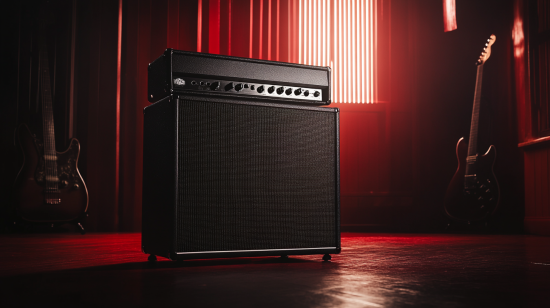

Crate GX-30M guitar amp Made in USA 30 watts
- The Crate GX-30M amp features two channels (clean & overdrive), spring reverb, and super porno sounding chorus section, 12″ speaker, 30 solid state watts.
- No footswitch included.
- Made in the USA, okay sounding practice amp, sounds good even at bedroom levels, but can hold up at band practice.
- Has always been around, but now we’re moving across country and don’t really want to take it with us.
$50.00
Rediscovering a Classic: My Journey Through the Nuances of This Iconic Practice Amp
I still remember the first time I plugged into a Crate GX30M. It was in a cramped music store in my hometown, surrounded by gleaming guitars I couldn’t afford. The salesperson, noticing my hesitation at the price tags, pointed to a modest black combo amp in the corner. “Try this one,” he said. “Great bang for your buck.” Little did I know that moment would begin a 15-year relationship with what I now consider one of the most underrated practice amps of its era.
Friends, gear-heads, and fellow six-string enthusiasts, today I’m diving deep into everything you need to know about the Crate GX30M. Whether you’re considering adding this vintage workhorse to your collection or just stumbled across one at a yard sale, grab your favorite pick and settle in. This comprehensive buying guide will help you determine if the Crate GX30M deserves a place in your guitar journey.
The Basics: What Exactly Is the Crate GX30M?
Before we dive into the nitty-gritty details, let’s establish what we’re talking about. The Crate GX30M is a 30-watt solid-state combo amplifier that gained popularity in the late 1990s and early 2000s. You might have seen these workhorses in practice rooms, small venues, or home studios. They’re instantly recognizable by their distinctive black tolex covering and straightforward control panel.
Crate Amplifiers, founded in 1978 in St. Louis, Missouri, built its reputation on creating affordable, reliable amplifiers for beginners and intermediate players. The GX series represented their mid-tier offering, with the GX30M being one of the most popular models before the company’s eventual acquisition and decline.
Power and Performance: The Heart of the Beast
Let’s address one of the most common questions right off the bat: how many watts does this thing pump out? The Crate GX30M delivers 30 watts of solid-state power through a 12-inch speaker. While that might not sound impressive compared to today’s modeling amps with their digital bells and whistles, 30 watts provides plenty of volume for home practice, jamming with friends, and even small gigs in intimate venues.
I’ve found this sweet spot of power particularly useful. It’s loud enough to cut through when playing with a careful drummer but won’t get you evicted from your apartment. The clean headroom is decent for a solid-state amp of this size, though it does start to break up when pushed past the halfway mark on the volume knob.
Solid-State vs. Tube: The Eternal Debate
The GX30M is a solid-state amplifier, which means it uses transistors rather than vacuum tubes to amplify your signal. This distinction is crucial for understanding both its strengths and limitations.
As a solid-state amp, the GX30M offers several advantages:
- Reliability and durability (no tubes to replace)
- Lighter weight for easier transport
- Consistent tone regardless of volume level
- More affordable price point
- Lower maintenance requirements
However, tube enthusiasts will quickly point out what the GX30M lacks:
- The organic compression and “sag” of tube amplifiers
- That elusive tube warmth and harmonic richness
- The dynamic response to picking intensity
During my years with this amp, I’ve found that while it doesn’t deliver the magic of a good tube amp, it provides a solid foundation that responds well to pedals. In fact, I’d argue that its relatively neutral character makes it an excellent platform for effects experimenters who want their pedals to shine without too much coloration from the amp itself.
Feature Breakdown: What’s Under the Hood?
The Crate GX30M isn’t flashy, but it offers a surprisingly useful feature set that makes it versatile for different playing situations. Let’s break down the key features you’ll find on this amplifier:
Channels and Switching
One of the GX30M’s strongest selling points is its dual-channel design. The amp offers both clean and distorted channels, selectable via a push button on the front panel or through the optional footswitch (more on that later).
The clean channel is straightforward, with a volume control and three-band EQ. It stays relatively pristine until pushed hard, at which point it develops a slight grit that works well for blues and classic rock. I’ve always appreciated how the clean channel handles my Stratocaster’s single coils—bright and articulate without becoming ice-picky.
The distortion channel (which Crate labeled “Lead”) offers separate gain and volume controls, allowing you to dial in anything from light overdrive to substantial distortion. While it won’t deliver the high-gain metal tones of more modern amplifiers, it provides a respectable crunch for classic rock, grunge, and even some lighter metal applications.
EQ and Tone Shaping
The GX30M features a three-band EQ section with Bass, Middle, and Treble controls. This seemingly simple setup actually offers considerable flexibility for shaping your tone. The EQ is responsive and well-voiced, avoiding the extreme peaks and valleys that plague some budget amplifiers.
I’ve found the Middle control to be particularly useful—cutting it creates a scooped sound perfect for funk and clean rhythm playing, while boosting it adds body and presence for solos. The Bass control is surprisingly generous, allowing you to add substantial low-end thump for those who play in guitar-only settings.
Built-In Effects
Here’s where the “M” in GX30M comes into play—it stands for “MOSFET,” but more importantly, it indicates that this model includes built-in effects. The amp offers a digital reverb and chorus, both controllable via dedicated knobs on the front panel.
The reverb is a simple spring reverb emulation that does the job without being particularly special. At lower settings, it adds a pleasant sense of space, while cranking it creates that surf-rock drip that’s fun for Dick Dale impressions. The chorus is decidedly vintage-sounding—thick and syrupy rather than subtle. It works well for clean arpeggios and can help thicken distorted tones, though it can become overwhelming if pushed too far.
Connectivity Options
For an amp of its era and price point, the GX30M offers decent connectivity:
- Standard instrument input
- Headphone output for silent practice (which also mutes the speaker)
- Effects loop for integrating external effects
- Footswitch jack for channel switching (footswitch sold separately)
The effects loop deserves special mention, as it’s not always included on amplifiers in this price range. It allows you to place time-based effects like delay and reverb after the preamp distortion, resulting in a clearer, more professional sound than running everything through the front input.
Speaker and Tone: The Voice of the Amplifier
The GX30M comes equipped with a 12-inch speaker—specifically, a custom-designed Crate speaker that balances cost with decent performance. While not as refined as speakers from specialists like Celestion or Jensen, it handles the amp’s 30 watts capably and reproduces frequencies in a relatively balanced way.
The speaker size is significant because 12-inch speakers tend to have a fuller, more mature voice than the 8-inch or 10-inch speakers found in many practice amps. This gives the GX30M an advantage in terms of low-end response and overall projection. When I’ve used this amp in small coffee shop gigs, I’ve been surprised at how well it fills the room despite its modest power rating.
That said, one of the most common modifications GX30M owners make is replacing the stock speaker with an aftermarket option. A Celestion Vintage 30 or Greenback can transform this amp, bringing out details and harmonics that the original speaker masks. However, such an upgrade often costs nearly as much as the amp itself, so it’s worth considering whether your budget might be better spent on a different amplifier altogether.
Practical Applications: Where Does the GX30M Shine?
Understanding an amplifier’s strengths and weaknesses helps determine if it’s the right choice for your specific needs. Let’s examine how the GX30M performs in different contexts:
Home Practice
This is where the GX30M truly excels. Its size, volume control, and headphone output make it ideal for practicing at home without disturbing others. The clean channel provides a neutral foundation for developing technique, while the distortion channel lets you work on rock and blues licks without additional pedals.
I’ve found the GX30M particularly useful for late-night practice sessions. The headphone output delivers a reasonable approximation of the amp’s tone, though like most headphone outputs of its era, it lacks the refinement of modern solutions.
Small Gigs and Rehearsals
The GX30M can handle rehearsals with a disciplined drummer and small venue performances where stage volume isn’t a primary concern. Coffee shops, school talent shows, and intimate acoustic-leaning venues are all within this amp’s comfort zone.
For these applications, you might want to position the amp on a chair or stand to improve projection. I’ve used mine in small venues by placing it on a guitar case to angle it upward, which helps the sound reach the audience rather than just warming the back of my knees.
Recording
In the studio, the GX30M shows both its strengths and limitations. Its clean channel records well, especially with a good microphone positioned carefully. The distortion channel, however, reveals its solid-state character under the microscope of close miking.
That said, I’ve captured some perfectly usable rhythm tracks with this amp. For home recording beginners, it’s more than adequate, particularly when treated with basic EQ and compression during mixing.
Genre Compatibility
The GX30M is most at home with these musical genres:
- Blues
- Classic rock
- Indie/alternative
- Country
- Light jazz
- Pop
It struggles somewhat with:
- Modern metal
- Progressive rock requiring pristine clean tones
- Genres demanding extreme high-gain sounds
Comparing the GX30M to Other 30-Watt Combos
To truly understand where the GX30M stands, we should compare it to its contemporaries and modern alternatives in the 30-watt combo category.
Fender Frontman 25R
The Frontman series represents Fender’s budget-friendly solid-state offering. Compared to the GX30M, the Frontman 25R has a more pronounced “Fender” clean sound—brighter and chimer—but its distortion channel is generally considered inferior. The GX30M offers better features with its effects loop and more versatile EQ.
Peavey Bandit
The Bandit is arguably the strongest competitor to the GX30M from the same era. It offers more power (80 watts vs. 30), better clean headroom, and Peavey’s renowned TransTube distortion circuit, which many feel provides a more tube-like response. However, the Bandit is larger, heavier, and typically more expensive on the used market.
Modern Alternatives
Today’s market offers modeling amps like the Boss Katana 50, Fender Mustang LT25, and Blackstar ID:Core series that provide significantly more features, effects, and tonal options than the GX30M. These modern options connect to computers for deep editing and often include bluetooth capabilities for jamming along with music.
However, the GX30M maintains two advantages: simplicity and price. As a used purchase, it typically costs significantly less than these newer options, and its straightforward interface means you’ll spend more time playing and less time menu-diving.
Physical Characteristics: Size, Weight, and Portability
The Crate GX30M strikes a reasonable balance between power and portability. Its dimensions are approximately 18.5″ wide, 17″ high, and 9.5″ deep—compact enough to fit in most car trunks without tetris-like maneuvering, yet large enough to house a full 12-inch speaker.
Weight-wise, the GX30M tips the scales at around 32 pounds. That’s noticeably lighter than equivalent tube amplifiers (which might weigh 45+ pounds) but still substantial enough that you’ll feel it after carrying it up a few flights of stairs. The top-mounted handle is functional but not particularly comfortable for long hauls.
The cabinet construction is adequate rather than exceptional. The black tolex covering is durable enough for normal use, though it shows scuffs and marks more readily than higher-end coverings. The corners are protected by simple plastic caps that can crack or fall off with rough handling.
Common Issues and Problems: Buyer Beware
No amplifier is without its quirks and potential problems, and the GX30M has several known issues that potential buyers should be aware of:
Power Supply Problems
The most commonly reported issue with aging GX30M amplifiers involves the power supply. Symptoms include intermittent cutting out, buzzing noises, or complete failure to power on. These problems often stem from failing capacitors in the power section, which is a relatively common issue in solid-state electronics of this age.
The good news is that this is typically repairable by a competent technician. Replacing capacitors is a standard procedure that shouldn’t break the bank. However, it’s worth factoring this potential repair into your purchasing decision when looking at used models.
Noisy Pots and Switches
After years of use (and sometimes dust and beverage spills), the potentiometers (knobs) and switches on the GX30M can develop scratchiness and intermittent connections. This manifests as crackling sounds when adjusting controls or unreliable channel switching.
Again, this is repairable—often a simple cleaning with contact cleaner can resolve the issue. For more severe cases, replacement potentiometers are inexpensive and straightforward for technicians to install.
Effects Section Failures
The digital effects module in the GX30M has been known to fail over time. This might result in non-functioning reverb and chorus, distorted effects, or strange digital artifacts in the sound. Unfortunately, this component is more challenging to repair or replace, as it’s a proprietary digital circuit rather than standard analog components.
If you’re primarily interested in the GX30M for its built-in effects, I’d recommend testing them thoroughly before purchase and perhaps considering external pedals as an alternative.
The Footswitch Situation
The GX30M was designed to work with an optional footswitch (the Crate GX-10 or equivalent) for hands-free channel switching during performance. This footswitch wasn’t included with the amplifier, and finding the original Crate model today can be challenging.
The good news is that the footswitch requirement is simple—a basic single-button latching footswitch will work. Many universal footswitches available today will function perfectly with the GX30M, usually costing between $15-30. If you’re handy with basic electronics, you can even build one for a few dollars with parts from an electronics store.
Having a footswitch dramatically increases the amp’s usability in performance settings, allowing you to switch between clean and distorted sounds without bending down to the amp. I consider it an essential accessory if you plan to use the GX30M for anything beyond bedroom practice.
Historical Context: The Rise and Fall of Crate
Understanding the GX30M’s place in history adds valuable context to its design and availability. Crate Amplifiers began in 1978 as an offshoot of St. Louis Music, initially focusing on affordable practice amplifiers. Throughout the 1980s and 1990s, the brand expanded its offerings to include a wide range of products, from entry-level practice amps to professional-grade equipment.
The GX30M was introduced in the late 1990s, during what many consider Crate’s peak period. It represented a mid-tier offering aimed at advancing beginners and intermediate players who needed more features than bare-bones practice amps but couldn’t afford professional-level equipment.
In 2005, St. Louis Music (and therefore Crate) was acquired by Loud Technologies (now known as Loud Audio), which also owned brands like Mackie and Ampeg. Following this acquisition, the Crate line was gradually diminished in prominence, with fewer new models introduced and a shift toward the very low end of the market.
Production of most Crate amplifiers, including the GX30M, ceased in the early 2010s. The brand has essentially become dormant, with no new products introduced in recent years. This means that all GX30M amplifiers on the market today are used, with most dating from the late 1990s to early 2000s.
Availability and Pricing: What to Expect
Since the GX30M is no longer in production, purchasing one means looking to the used market. Common sources include:
- Online marketplaces like Reverb.com, eBay, and Facebook Marketplace
- Local classified ads
- Pawn shops and used music stores
- Yard sales and estate sales (often the best bargains)
Pricing varies considerably based on condition, but as of my experience, here’s what you might expect to pay:
- Poor condition (cosmetic damage, minor electrical issues): $50-75
- Fair condition (functional but worn): $75-100
- Good condition (fully functional, moderate wear): $100-150
- Excellent condition (minimal wear, all original parts): $150-200
These prices reflect the amplifier alone. If you find one with the original footswitch included, that typically adds $20-30 to the value.
For context, when the GX30M was new, it retailed for approximately $200-250, meaning it has held its value reasonably well for an entry/mid-level solid-state amplifier.
User Reviews and Community Perception
The guitar community has mixed but generally positive feelings about the GX30M. On forums like The Gear Page, Harmony Central, and Reddit’s r/GuitarAmps, you’ll find threads dedicated to this amplifier that highlight both its strengths and limitations.
Positive comments typically focus on:
- Reliability and durability
- Good value for money
- Surprisingly versatile clean channel
- Effective EQ controls
- Useful effects loop
Criticisms commonly mention:
- Digital-sounding distortion
- Limited headroom
- Basic effects quality
- Middling speaker performance
The consensus seems to be that the GX30M represents good value in the budget/used market but has been surpassed by modern modeling amplifiers in terms of features and tonal flexibility. It maintains a reputation as a solid workhorse rather than an inspiring tone machine.
My Personal Experience: Living with the GX30M
After owning a GX30M for over a decade, I’ve developed a complicated relationship with this amplifier. It’s never been my primary performance amp, but it’s survived multiple moves, served as a reliable practice tool, and even made appearances on recordings when my main amplifier was unavailable.
What I appreciate most about the GX30M is its consistency. It sounds the same day after day, regardless of temperature, humidity, or how long it’s been since I last used it. There’s something comforting about plugging in and knowing exactly what you’re going to get.
The clean channel has aged better than the distortion section. While modern ears accustomed to digital modeling might find the distortion channel somewhat flat and one-dimensional, the clean sounds remain perfectly usable, especially as a pedal platform. I’ve had great results running overdrive pedals, modulation effects, and digital delays through the clean channel.
Perhaps the most telling aspect of my experience: despite upgrading to more expensive amplifiers over the years, I’ve never felt compelled to sell my GX30M. It’s earned its place as a reliable backup and practice tool that I know I can always count on when needed.
The Final Verdict: Should You Buy a Crate GX30M?
After this deep dive into the Crate GX30M’s features, performance, and place in guitar amplifier history, the question remains: is it worth adding to your collection? Let me break this down into specific scenarios:
Buy a GX30M if:
- You’re seeking an affordable, reliable practice amp
- You need a backup amplifier for rehearsals or emergencies
- You’re building a budget-friendly home recording setup
- You prefer simplicity over complex features
- You’re looking for a solid pedal platform at a low price
- You appreciate vintage gear with some historical significance
Look elsewhere if:
- High-gain metal tones are your primary requirement
- You need extensive built-in effects options
- You require bluetooth connectivity or computer integration
- You need an amplifier that can compete with loud drummers
- You’re seeking the dynamic response of tube amplification
- You want the latest modeling technology
The Crate GX30M remains a practical choice for guitarists who value simplicity, reliability, and affordability over cutting-edge features. In a world of increasingly complex digital modeling amplifiers, there’s something refreshing about plugging into a straightforward solid-state combo that does what it promises without requiring a software update.
If you find one in good condition at a reasonable price, it can serve faithfully as a practice amp, recording tool, or backup for many years to come. Just be aware of its limitations, budget for potential maintenance on these aging units, and perhaps plan to supplement its built-in distortion with quality pedals for the best results.
The GX30M may not inspire the reverence of vintage tube amplifiers or the excitement of the latest modeling technology, but it represents an honest value in an increasingly complex marketplace. Sometimes, that’s exactly what a guitarist needs.